Baking & Desserts Classic Vanilla Butter Cake
Highlighted under: Homemade Dessert Favorites
When I think of comfort food, a classic vanilla butter cake always comes to mind. There's something incredibly fulfilling about whipping up this timeless treat—a balance of buttery richness, a hint of sweetness, and that beautiful golden crust. I remember the first time I made it; the aroma filled my kitchen, bringing family and friends together in anticipation. Whether it's for a special occasion or just a cozy evening at home, this cake serves as a delightful centerpiece that never fails to impress, and it's straightforward enough for any home baker.
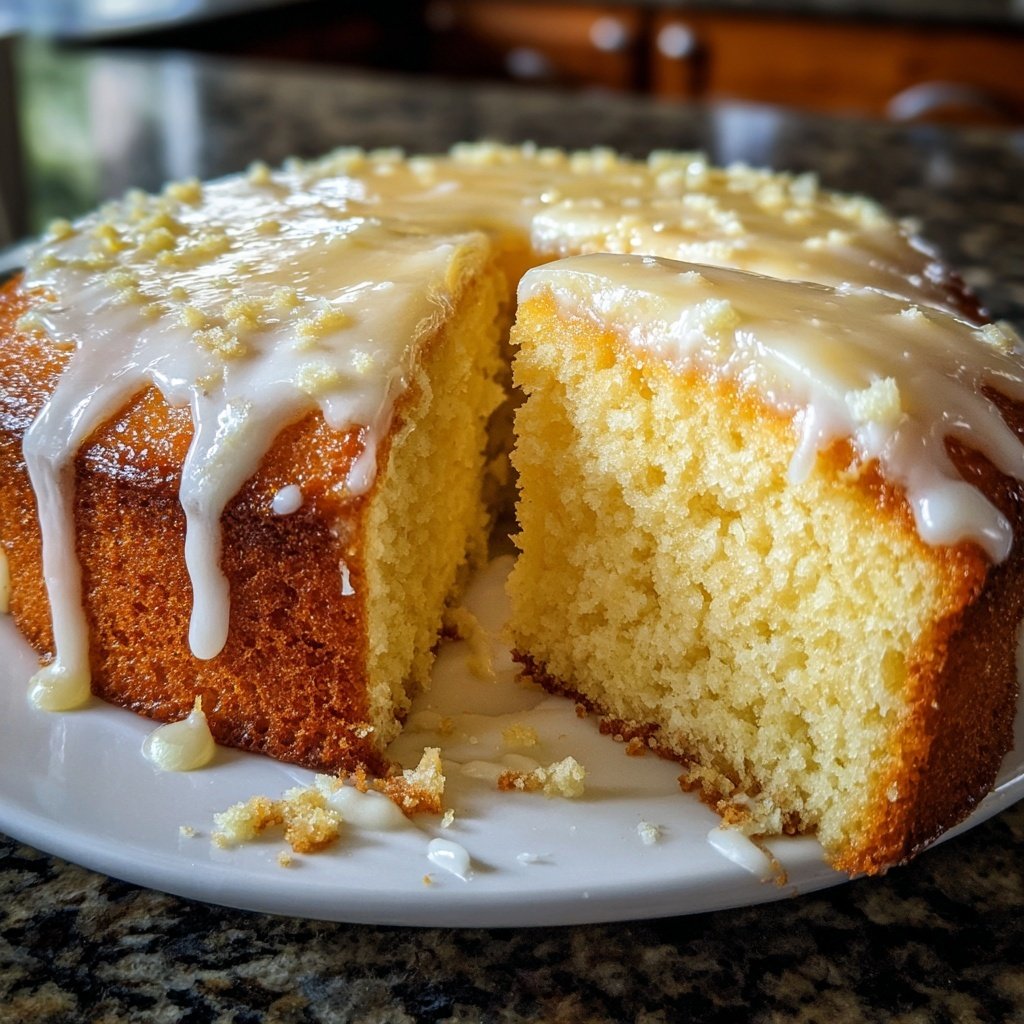
I have fond memories of baking this vanilla butter cake for special family gatherings. The simplicity of the ingredients allows for room to experiment with flavor, and I've found that using high-quality vanilla extract truly elevates the cake. Each bite offers a comforting familiarity that takes me back to my childhood.
One tip I learned along the way is to ensure your ingredients are at room temperature before mixing. This small step makes a noticeable difference in achieving that perfect fluffy texture that melts in your mouth. Trust me, it’s worth the wait!
Why You'll Love This Recipe
- A timeless classic that appeals to all ages
- Moist and buttery with a tender crumb
- Versatile base for countless frosting or fruit toppings
The Importance of Quality Ingredients
To achieve the best flavor and texture in your vanilla butter cake, using high-quality ingredients is essential. Opt for unsalted butter as it allows you to control the salinity in your cake. The eggs should be at room temperature to ensure they incorporate well, which contributes to the cake's fluffy texture. Also, pure vanilla extract not only adds aromatic depth but elevates the overall flavor profile. For the flour, all-purpose works best, but consider using cake flour for an even lighter crumb.
Consider the role of sugar in this recipe—it not only sweetens but also affects moisture and texture. Granulated sugar helps to aerate the butter during creaming, creating a light structure. If you're looking to reduce sugar, try substituting with natural sweeteners like honey or agave, but remember that their moistness can alter the final cake density. Also, adjust the milk accordingly to maintain the right batter consistency.
Baking Tips for Success
When baking your cake, pay close attention to the temperature and doneness. Overmixing the batter can lead to a dense cake, so mix just until combined after adding the dry ingredients. As you bake, watch for a golden edge and a springy texture—these are signs your cake is ready. A toothpick inserted in the center should come out clean or with a few moist crumbs, indicating it's perfectly baked. Keep in mind that oven temperatures can vary; using an oven thermometer can help ensure accuracy.
Cooling the cakes properly is just as vital as baking them. After taking them out of the oven, let them sit in the pans for about 10 minutes. This helps them set and reduces the risk of breaking. When transferring to wire racks, slide a butter knife around the edges to loosen them. If you want to save time, you can prepare the cake layers a day in advance; just wrap them in plastic once cooled and store in the refrigerator until you're ready to frost.
Ingredients
Classic Vanilla Butter Cake
- 1 cup unsalted butter, softened
- 2 cups granulated sugar
- 4 large eggs
- 1 tablespoon pure vanilla extract
- 3 cups all-purpose flour
- 1 tablespoon baking powder
- 1/2 teaspoon salt
- 1 cup milk
Instructions
Preheat the Oven
Preheat your oven to 350°F (175°C). Grease two 9-inch round cake pans and line the bottoms with parchment paper.
Cream Butter and Sugar
In a large mixing bowl, cream together the softened butter and granulated sugar until light and fluffy. This should take about 5 minutes.
Add Eggs and Vanilla
Beat in the eggs one at a time, then stir in the vanilla extract.
Combine Dry Ingredients
In another bowl, whisk together the flour, baking powder, and salt.
Incorporate Dry Ingredients and Milk
Gradually add the dry mix into the butter mixture, alternating with the milk. Start and end with the flour mixture. Mix just until combined.
Bake the Cakes
Divide the batter evenly between the prepared pans. Bake for 30-40 minutes, or until golden and a toothpick comes out clean.
Cool and Serve
Let the cakes cool in the pans for 10 minutes before transferring to wire racks. Allow them to cool completely before frosting.
Pro Tips
- For an enhanced flavor, consider adding a bit of almond extract along with the vanilla. You can also substitute half of the granulated sugar with brown sugar for a deeper caramel note.
Frosting and Serving Suggestions
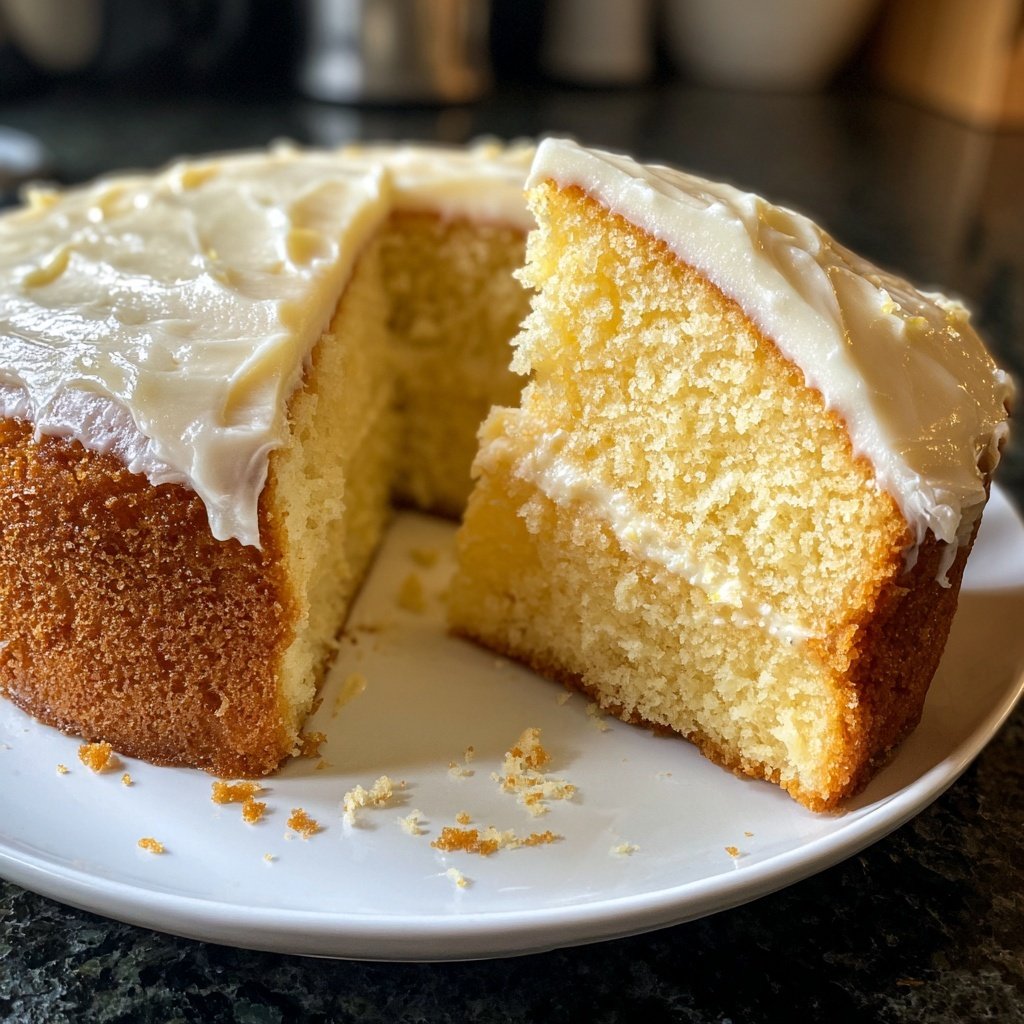
This classic vanilla butter cake serves as a perfect canvas for a wide variety of frostings. Consider a traditional buttercream for a rich finish or a lighter whipped cream if you prefer a less sweet option. For a fruity twist, fresh berries or a layer of lemon curd between the cakes can enhance flavor and add brightness. If you're using frosting, I recommend letting the cake layers cool completely to prevent the frosting from melting.
For serving, you can create a rustic look by dusting the top with powdered sugar or cocoa, or adorn it with fresh fruit for special occasions. If you're planning to add layers, ensure you level the tops of the cakes with a serrated knife for a neat assembly. This adds an appealing touch and makes slicing easier.
Storing and Freezing Tips
To maintain the freshness of your vanilla butter cake, store it in an airtight container at room temperature for up to 3 days. If you plan to keep it longer, refrigerate it wrapped tightly in plastic wrap, which can help preserve flavor for up to a week. However, be aware that refrigeration may change the cake's texture slightly, making it denser.
For freezing, make sure to wrap the cooled cake layers in plastic wrap and aluminum foil to prevent freezer burn. They can be stored in the freezer for up to 3 months. When you're ready to enjoy, thaw them in the refrigerator overnight before frosting and serving. This method works wonderfully, preserving the cake's delicious taste and texture.
Questions About Recipes
→ Can I use salted butter instead of unsalted?
Yes, but reduce the added salt in the recipe to avoid it being too salty.
→ How do I store the cake?
Store the cooled cake in an airtight container at room temperature for up to 3 days, or refrigerate for longer freshness.
→ Can I freeze this cake?
Absolutely! Wrap the cooled cake tightly in plastic wrap and then in aluminum foil to freeze for up to 3 months.
→ What can I add to the cake batter?
You can add chocolate chips, nuts, or dried fruits to the batter for extra flavor and texture.
Baking & Desserts Classic Vanilla Butter Cake
Created by: Morgan Reeves
Recipe Type: Homemade Dessert Favorites
Skill Level: Beginner
Final Quantity: 8 servings
What You'll Need
Classic Vanilla Butter Cake
- 1 cup unsalted butter, softened
- 2 cups granulated sugar
- 4 large eggs
- 1 tablespoon pure vanilla extract
- 3 cups all-purpose flour
- 1 tablespoon baking powder
- 1/2 teaspoon salt
- 1 cup milk
How-To Steps
Preheat your oven to 350°F (175°C). Grease two 9-inch round cake pans and line the bottoms with parchment paper.
In a large mixing bowl, cream together the softened butter and granulated sugar until light and fluffy. This should take about 5 minutes.
Beat in the eggs one at a time, then stir in the vanilla extract.
In another bowl, whisk together the flour, baking powder, and salt.
Gradually add the dry mix into the butter mixture, alternating with the milk. Start and end with the flour mixture. Mix just until combined.
Divide the batter evenly between the prepared pans. Bake for 30-40 minutes, or until golden and a toothpick comes out clean.
Let the cakes cool in the pans for 10 minutes before transferring to wire racks. Allow them to cool completely before frosting.
Extra Tips
- For an enhanced flavor, consider adding a bit of almond extract along with the vanilla. You can also substitute half of the granulated sugar with brown sugar for a deeper caramel note.
Nutritional Breakdown (Per Serving)
- Calories: 280 kcal
- Total Fat: 12g
- Saturated Fat: 7g
- Cholesterol: 90mg
- Sodium: 200mg
- Total Carbohydrates: 38g
- Dietary Fiber: 1g
- Sugars: 22g
- Protein: 4g