Homemade Croissants Without Mixer
Highlighted under: Homemade Dessert Favorites
I often find myself craving the flaky perfection of homemade croissants, but the thought of using a mixer can be daunting. So, I embarked on a journey to create these delightful pastries without any fancy equipment. With just a bit of elbow grease and patience, I discovered that the reward is a batch of buttery croissants straight from my oven. This method not only respects traditional techniques, but it also allows me to enjoy the process of baking each layer by hand, which adds a special touch to these golden treats.
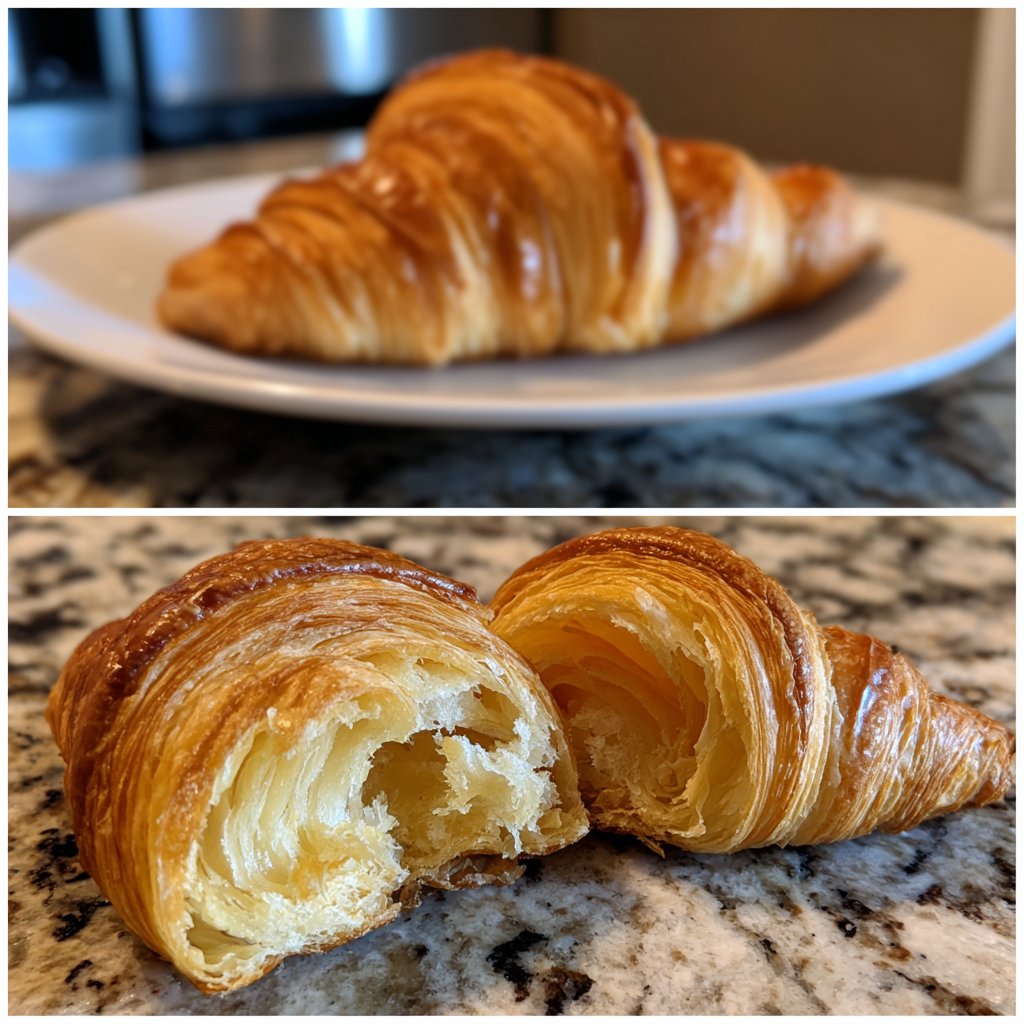
During my first attempt at making croissants by hand, I learned that the key lies in the folding and rolling process. It’s crucial to keep the dough cold to properly layer the butter, which ultimately creates those signature flaky layers when baked. With each fold, I felt more excited as I imagined the delicious results.
What surprised me the most was how manageable it was without a mixer. I found that mixing the dough by hand allowed me to truly connect with the ingredients, making the experience even more rewarding. Plus, the aromas wafting through my kitchen while they baked were simply irresistible.
Why You Will Love This Recipe
- Flaky layers that melt in your mouth
- Made from scratch with simple ingredients
- No special equipment needed for a perfect batch
Understanding the Dough
The dough serves as the canvas for your croissants, and the balance of ingredients is crucial. All-purpose flour is ideal for this recipe because it provides the perfect structure without being overly dense, allowing for those iconic flaky layers. Pay close attention to the temperature of your water; using cold water helps to keep the butter from melting into the dough during the mixing and initial resting phases. This results in a better rise and flakiness in the finished croissants.
Kneading by hand may feel like a workout, but it's essential to develop gluten in the dough, which contributes to the structure. Aim for a smooth and elastic texture after about 10 minutes of kneading. If the dough feels sticky, resist the urge to add extra flour; instead, lightly flour your work surface to prevent sticking without altering the dough's hydration levels. Properly resting the dough is equally critical, as it relaxes the gluten, making it easier to roll out later.
Perfecting the Lamination
Laminating the dough is where the magic happens. The goal is to create multiple layers of dough and butter that puff up during baking due to steam. When preparing the butter, it's essential to keep it cold but malleable. If it’s too hard, it won’t spread evenly in the dough. Using a rolling pin to beat it helps achieve the right consistency; look for a butter rectangle that can easily fit within your dough without tearing it.
After enclosing the butter in the dough, rolling it out to a rectangular shape and folding it into thirds might sound simple, but consistency matters. Ensure that your folds are even and tight to create defined layers. If you notice the dough is becoming too warm and difficult to handle, chill it for 30 minutes before rolling it again. This not only helps maintain the integrity of your layers but also ensures that the butter stays distinct from the dough to create those characteristic flaky layers.
Ingredients
Gather the following ingredients to get started on your homemade croissants:
Dough Ingredients
- 500g all-purpose flour
- 10g salt
- 40g granulated sugar
- 10g instant yeast
- 300ml cold water
- 250g unsalted butter (for laminating)
For Baking
- 1 egg (for the egg wash)
With these ingredients on hand, you're ready to create your flaky, buttery croissants!
Instructions
Follow these steps carefully to ensure a successful outcome with your croissants:
Make the Dough
In a large bowl, combine flour, salt, sugar, and yeast. Gradually add cold water and mix until a dough forms. Knead by hand for about 10 minutes until smooth and elastic, then let it rest for 30 minutes.
Prepare the Butter
While the dough is resting, beat the cold butter with a rolling pin between two sheets of parchment paper. Shape it into a rectangle measuring about 1cm thick. Chill in the fridge.
Laminate the Dough
Roll the rested dough into a rectangle and place the chilled butter in the center. Fold the dough over the butter and seal the edges. Roll out again to a rectangle, fold into thirds, and repeat this process two more times. Chill for 30 minutes between each fold.
Shape the Croissants
Roll the dough into a large rectangle, then cut it into triangles. Roll each triangle from the base to the tip. Place on a baking tray lined with parchment paper and let them rise for about 1 hour.
Bake
Preheat the oven to 200°C (400°F). Brush risen croissants with egg wash. Bake for 20-25 minutes until golden brown. Allow to cool slightly before serving.
Enjoy your delicious homemade croissants fresh from the oven!
Pro Tips
- For best results, ensure your butter and dough remain cold during the laminating process. This helps achieve a flaky texture. Experiment with fillings like chocolate or almond paste for added flavor!
Troubleshooting Common Mistakes
If your croissants aren’t rising as expected, it could be due to the yeast. Ensure your yeast is fresh and active; it should be foamy when added to water. If the dough feels too tough after the first fold, it might be a sign of over-kneading, which can lead to a dense final product. If you notice excessive tearing during rolling, your dough may need more resting time to relax the gluten.
For those instances where your lamination didn’t go as planned, resulting in leaks while baking, don’t despair. You can salvage your croissants by simply patching up the dough during shaping and placing the rolled croissants seam-side down on the baking tray. This can help contain any butter that may escape.
Storage and Serving Suggestions
Once cooled, croissants are best enjoyed fresh, but they can be stored at room temperature in an airtight container for up to two days. For longer storage, freeze them before baking. Simply place the uncooked cut croissants on a tray until frozen, then transfer them to a sealed container. When you’re ready to enjoy them, bake straight from the freezer, adding a few extra minutes to the baking time until they are golden brown.
For serving, croissants are wonderfully versatile. Enjoy them plain, or pair them with butter and jam for breakfast. You can also create a delicious sandwich by using them as a base for savory fillings, such as ham and cheese or roasted vegetables, topped with a light drizzle of mustard or aioli. The possibilities are truly endless with these delightful pastries.
Questions About Recipes
→ Can I use a stand mixer instead?
For this recipe, we recommend making it by hand to maintain the integrity of the dough. However, if you're experienced with a stand mixer, feel free to use it for mixing!
→ How do I store leftover croissants?
Store them in an airtight container at room temperature for up to 2 days, or freeze them for longer storage.
→ Can I make croissants in advance?
Yes, you can prepare the croissants and freeze them before the final rise. Just let them thaw and rise before baking.
→ What can I fill my croissants with?
You can use chocolate, almond paste, fruit preserves, or even ham and cheese for savory options!

Homemade Croissants Without Mixer
Created by: Morgan Reeves
Recipe Type: Homemade Dessert Favorites
Skill Level: Intermediate
Final Quantity: 12 croissants
What You'll Need
Dough Ingredients
- 500g all-purpose flour
- 10g salt
- 40g granulated sugar
- 10g instant yeast
- 300ml cold water
- 250g unsalted butter (for laminating)
For Baking
- 1 egg (for the egg wash)
How-To Steps
In a large bowl, combine flour, salt, sugar, and yeast. Gradually add cold water and mix until a dough forms. Knead by hand for about 10 minutes until smooth and elastic, then let it rest for 30 minutes.
While the dough is resting, beat the cold butter with a rolling pin between two sheets of parchment paper. Shape it into a rectangle measuring about 1cm thick. Chill in the fridge.
Roll the rested dough into a rectangle and place the chilled butter in the center. Fold the dough over the butter and seal the edges. Roll out again to a rectangle, fold into thirds, and repeat this process two more times. Chill for 30 minutes between each fold.
Roll the dough into a large rectangle, then cut it into triangles. Roll each triangle from the base to the tip. Place on a baking tray lined with parchment paper and let them rise for about 1 hour.
Preheat the oven to 200°C (400°F). Brush risen croissants with egg wash. Bake for 20-25 minutes until golden brown. Allow to cool slightly before serving.
Extra Tips
- For best results, ensure your butter and dough remain cold during the laminating process. This helps achieve a flaky texture. Experiment with fillings like chocolate or almond paste for added flavor!
Nutritional Breakdown (Per Serving)
- Calories: 250 kcal
- Total Fat: 15g
- Saturated Fat: 10g
- Cholesterol: 35mg
- Sodium: 85mg
- Total Carbohydrates: 25g
- Dietary Fiber: 1g
- Sugars: 2g
- Protein: 5g