Healthy Dinner Vegetable Stir Fry
Highlighted under: Clean Living Kitchen
I love whipping up a stir fry for dinner because it’s not only healthy but also incredibly quick to make. With vibrant veggies and a light sauce, this dish is both nutritious and satisfying. I often experiment with different vegetables based on what I have on hand, making it versatile and fun. Each bite bursts with flavor, and I appreciate how this recipe allows me to incorporate seasonal produce. It’s a perfect choice for busy weeknights when I want a wholesome meal without spending too much time in the kitchen.
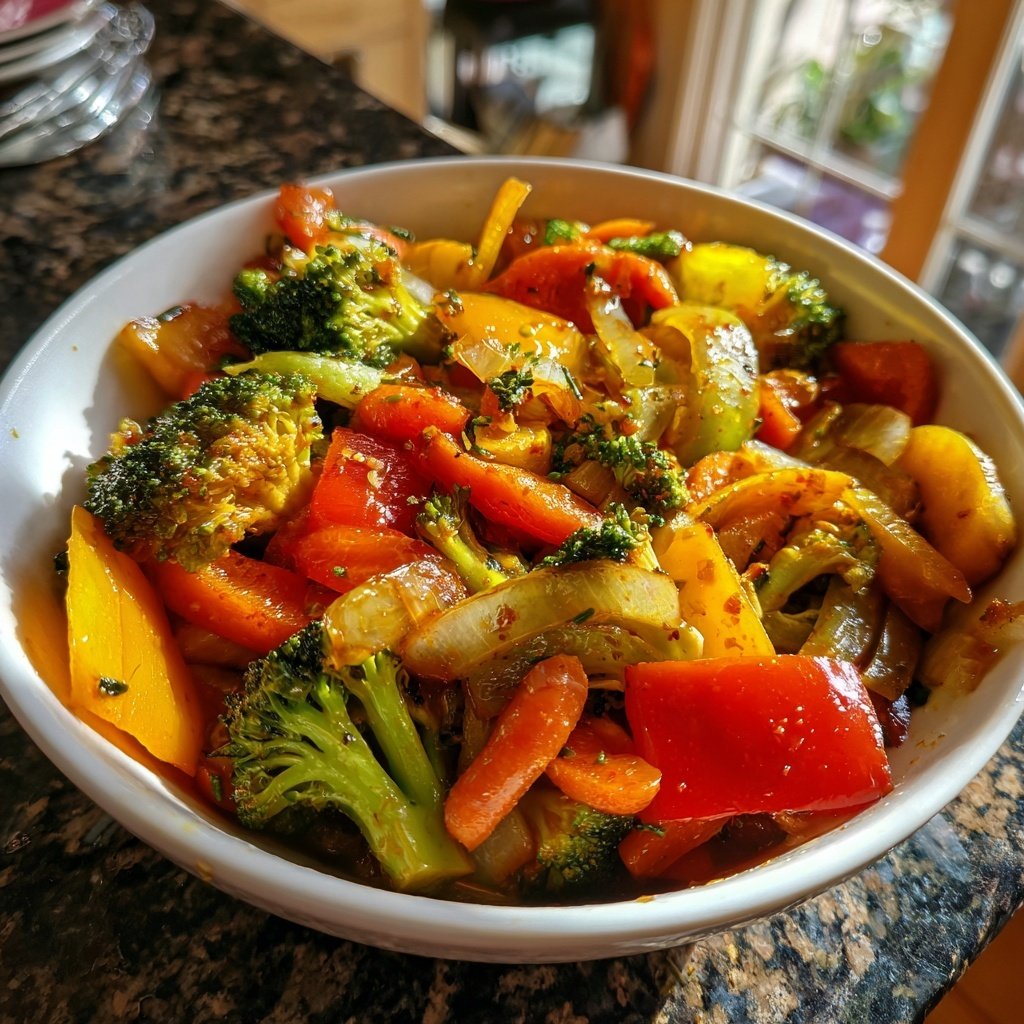
Making a stir fry might seem simple, but I find that the right techniques really elevate the dish. For instance, I always make sure to prep my ingredients ahead of time, so I can stir-fry them quickly over high heat. This not only helps in retaining the vegetables' crispness and color but also enhances their flavors. Using fresh garlic and ginger in the sauce adds an aromatic depth that truly brings the dish to life.
One of my favorite tips is to add a splash of soy sauce at the end of cooking. This gives the stir fry a glossy finish and an extra pop of flavor. I love serving this dish over brown rice or quinoa for added fiber and nutrients, making it a complete meal that feels indulgent yet healthy.
Why You Will Love This Recipe
- Bursting with fresh, colorful vegetables
- Quick and easy to prepare for busy nights
- Customizable with your favorite sauces and proteins
Choosing the Right Vegetables
The beauty of a stir fry lies in its flexibility. You can swap out any vegetable for what you have on hand. For instance, if you don't have zucchini, try using asparagus or bell peppers to add variety. Make sure to cut the vegetables into uniform sizes to ensure even cooking. As a rule of thumb, slice harder vegetables like carrots and broccoli into smaller pieces compared to softer ones like bell peppers and zucchini to achieve a beautiful, colorful dish.
Always opt for fresh, seasonal vegetables for the best flavor. In the spring, consider adding snap peas or baby corn, while fall might call for butternut squash or Brussels sprouts. When shopping, look for vibrant colors and firm textures as indicators of freshness. If using frozen vegetables, remember to adjust your cooking time as they may release more moisture and require a few extra minutes to cook and develop flavor.
For the perfect texture, aim for that tender-crisp finish. You'll know your stir fry is ready when the vegetables are vibrant in color and maintain a slight crunch. Stir constantly to prevent burning and ensure that each vegetable cooks evenly, especially when working over high heat.
Mastering the Stir-Fry Process
Stir-frying is all about timing and temperature. Start by preheating your pan properly; a well-heated skillet or wok will create that sought-after sear and keep the veggies from steaming. For a traditional stir fry, you'll want to use high heat—around 400°F to 450°F (200°C to 230°C)—to achieve quick cooking. If you notice vegetables starting to brown too quickly or edges getting burnt, lower the heat slightly to maintain control.
Another tip is to cook the vegetables in stages based on their density. Begin with those that take longer, like broccoli and carrots, then add quicker-cooking vegetables later. This approach ensures that everything is perfectly cooked and maintains a pleasing crunch. For extra flavor, consider briefly sautéing your minced garlic and grated ginger in the oil before adding the vegetables for a more aromatic experience.
Don’t forget seasoning! Adding your sauce at the last minute allows it to coat the vegetables while preventing them from becoming soggy. Keep an eye on how glossy the vegetables become; this is a sign of perfect incorporation. If you prefer a saucier stir fry, double the sauce ingredients or add a splash of vegetable broth or water to stretch the flavors without overcooking the veggies.
Ingredients
Ingredients
Vegetables
- 1 bell pepper, sliced
- 1 cup broccoli florets
- 1 carrot, julienned
- 1 zucchini, sliced
- 1 cup sugar snap peas
Sauce
- 3 tablespoons soy sauce
- 1 tablespoon sesame oil
- 1 teaspoon minced garlic
- 1 teaspoon grated ginger
- 1 teaspoon honey (optional)
For Cooking
- 2 tablespoons vegetable oil
- Cooked brown rice or quinoa, for serving
Instructions
Instructions
Prep the Vegetables
Wash and slice all the vegetables as indicated in the ingredients list. It's important to have all your ingredients ready to go.
Make the Sauce
In a small bowl, whisk together soy sauce, sesame oil, garlic, ginger, and honey until well combined.
Stir Fry the Vegetables
In a large skillet or wok, heat the vegetable oil over high heat. Add the hardest vegetables first, such as broccoli and carrots, and stir fry for 3-4 minutes.
Add Remaining Vegetables
Add the bell pepper, zucchini, and sugar snap peas. Stir fry for another 3-4 minutes until all the vegetables are tender-crisp.
Combine with Sauce
Pour the sauce over the stir-fried vegetables and toss to coat evenly. Continue to cook for an additional minute.
Serve
Remove from heat and serve the stir fry over brown rice or quinoa, garnished with sesame seeds if desired.
Pro Tips
- Feel free to add your choice of protein, such as tofu, chicken, or shrimp, for a heartier meal. Adjust the sauce to your taste preference by adding more soy sauce or a pinch of red pepper flakes for heat.
Storage and Reheating Tips
If you have leftovers, cool the stir fry to room temperature and store it in an airtight container in the refrigerator. It will keep for up to three days. When reheating, I recommend doing so on the stovetop over medium heat to restore some of the original crunchiness. Adding a splash of water or vegetable broth can help revive moisture and flavor during reheating without making the dish soggy.
For longer storage, you can freeze the stir fry in a freezer-safe container. It will last for about one month. To reheat, let it thaw overnight in the refrigerator, then use the stovetop method for the best texture. However, keep in mind that stir-fried veggies may lose their crispness after being frozen; therefore, always aim to consume your fresh stir fry first.
Serving Suggestions
This vegetable stir fry is delicious when served over brown rice or quinoa as a hearty base, but you can also try it over a bed of greens for a lighter option. Consider adding a sprinkle of sesame seeds or chopped green onions for a pop of flavor and a nice presentation. For a more filling meal, add some protein; tofu or chicken are great options that can be marinated in the same sauce for added flavor before cooking.
For an additional twist, try serving the stir fry wrapped in lettuce leaves or alongside a side of whole-grain tortillas for a fun build-your-own meal experience. You can even transform it into a grain bowl by adding elements like avocado, nuts, or a dollop of hummus for a creamy, satisfying finish.
Questions About Recipes
→ Can I use frozen vegetables?
Yes, frozen vegetables work well too! Just make sure to thaw and drain excess moisture before cooking.
→ What can I substitute for soy sauce?
You can use tamari for a gluten-free option or coconut aminos for a soy-free alternative.
→ How do I store leftovers?
Store any leftovers in an airtight container in the fridge for up to 3 days. Reheat in the microwave or on the stovetop.
→ Can I make this stir fry in advance?
While stir fries are best fresh, you can prep the vegetables and sauce a day ahead to save time.
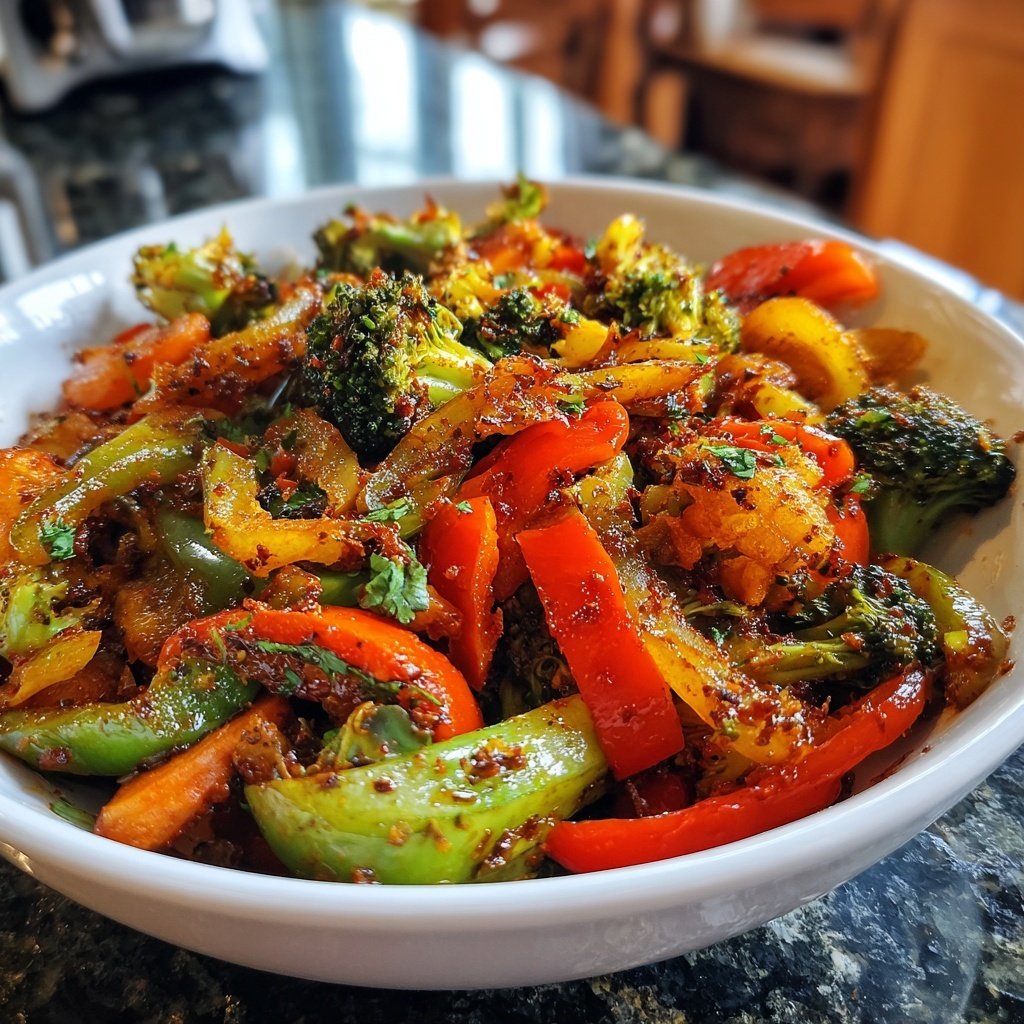
Healthy Dinner Vegetable Stir Fry
Created by: Morgan Reeves
Recipe Type: Clean Living Kitchen
Skill Level: Easy
Final Quantity: 4 servings
What You'll Need
Vegetables
- 1 bell pepper, sliced
- 1 cup broccoli florets
- 1 carrot, julienned
- 1 zucchini, sliced
- 1 cup sugar snap peas
Sauce
- 3 tablespoons soy sauce
- 1 tablespoon sesame oil
- 1 teaspoon minced garlic
- 1 teaspoon grated ginger
- 1 teaspoon honey (optional)
For Cooking
- 2 tablespoons vegetable oil
- Cooked brown rice or quinoa, for serving
How-To Steps
Wash and slice all the vegetables as indicated in the ingredients list. It's important to have all your ingredients ready to go.
In a small bowl, whisk together soy sauce, sesame oil, garlic, ginger, and honey until well combined.
In a large skillet or wok, heat the vegetable oil over high heat. Add the hardest vegetables first, such as broccoli and carrots, and stir fry for 3-4 minutes.
Add the bell pepper, zucchini, and sugar snap peas. Stir fry for another 3-4 minutes until all the vegetables are tender-crisp.
Pour the sauce over the stir-fried vegetables and toss to coat evenly. Continue to cook for an additional minute.
Remove from heat and serve the stir fry over brown rice or quinoa, garnished with sesame seeds if desired.
Extra Tips
- Feel free to add your choice of protein, such as tofu, chicken, or shrimp, for a heartier meal. Adjust the sauce to your taste preference by adding more soy sauce or a pinch of red pepper flakes for heat.
Nutritional Breakdown (Per Serving)
- Calories: 220 kcal
- Total Fat: 10g
- Saturated Fat: 1g
- Cholesterol: 0mg
- Sodium: 600mg
- Total Carbohydrates: 30g
- Dietary Fiber: 5g
- Sugars: 5g
- Protein: 4g